
One of the things I love about travel is that sometimes the story continues long after you get home. Yesterday, I received an email from journalist Lauren Goldenberg, who is working on a commissioned article for the BBC about the extremely low water levels on the Danube and the WWII-era German shipwrecks that have been revealed as the river has fallen. She had seen that I had just returned from cruising the Lower Danube and asked if I would share some of my experiences and thoughts for the article. And yes, I was pretty excited to see that email!
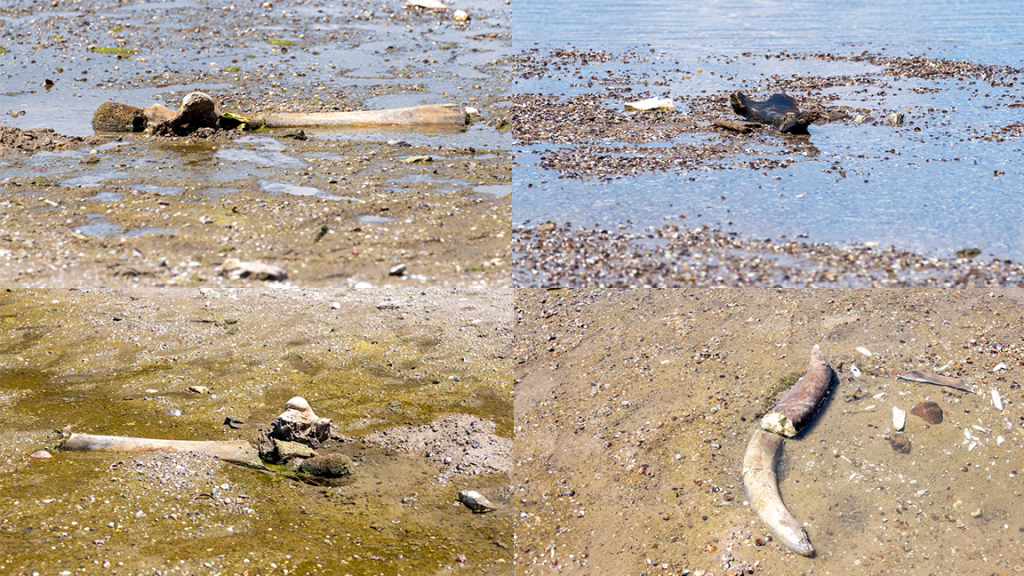
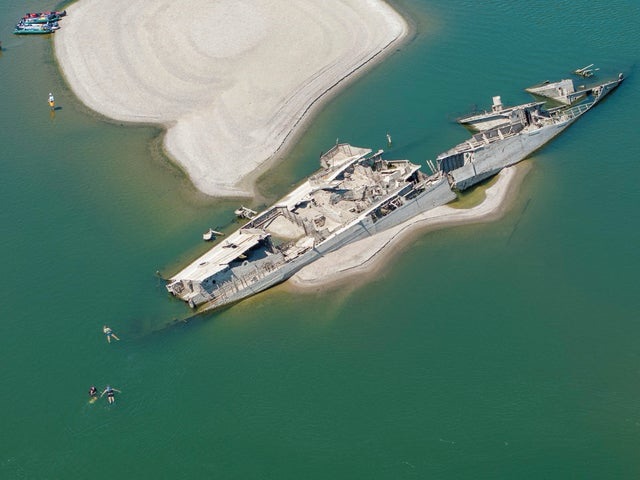
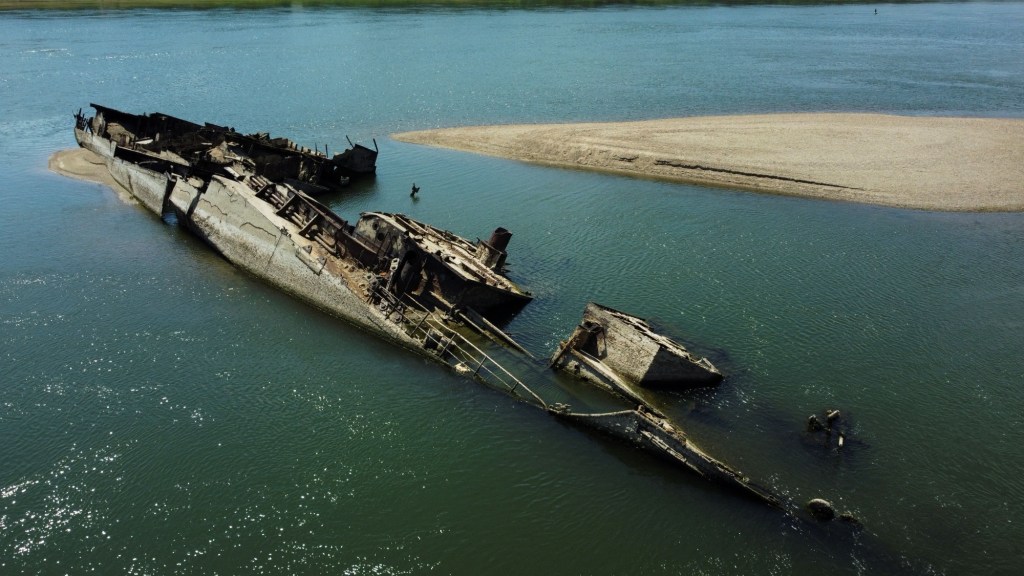
We didn’t actually see the shipwrecks during our cruise, but we heard about them, along with other discoveries being made as the water receded. After spending two weeks experiencing the incredible heat, seeing firsthand just how low the Danube had become, and ultimately having our cruise itinerary changed because of the water levels, Lauren’s questions really made me think about the trip in a different way. They brought together so many things I had been thinking about while traveling: climate change, the complicated history of this part of Europe, the dangers of forgetting the lessons of fascism and authoritarianism, and how remarkable it was that this beautiful river seemed to be revealing its past while perhaps giving us a warning about its future.
Here are the answers I shared with her:
1. Were you able to see the Nazi shipwrecks? If so, how and how did it feel to be witnessing them?
We didn’t actually see the WWII-era German shipwrecks, but we certainly heard about them while we were traveling along the Danube. We were also hearing about woolly mammoth remains that had recently been uncovered in the region, so there was this fascinating sense that the extreme drought and low water were revealing pieces of the past.
I found the story of the German shipwrecks particularly fascinating, but also unsettling. We were cruising along this beautiful, peaceful river while remnants of one of the darkest periods in European history were literally being exposed again. These ships are physical reminders of a war in which fascism devastated Europe and ultimately fell, and I couldn’t help but think about the lessons that history left us.
With some of what we’re seeing happening in the world today, I think those reminders are important. History isn’t something that should simply be studied and then forgotten. Seeing the past reappear in such a tangible way made me think about how easily societies can repeat old mistakes if we stop paying attention to where hatred, authoritarianism and the dehumanization of others can lead.
At the same time, we were hearing about something as ancient as woolly mammoth remains being uncovered. It was remarkable to think about all those layers of history in this part of the world and everything the Danube has witnessed. In a strange way, the river seemed to be reminding us that the past is never quite as far away as we think it is.
2. What kind of conversations did the shipwrecks prompt among those on the trip?
The shipwrecks became part of a much larger conversation we were already having about the Danube. We talked constantly about how incredibly low the river was and about the extreme heat we were experiencing. We were told several times that these were unprecedented conditions, and you couldn’t help but wonder what was happening to the climate and whether this was something travelers and the people who live along the river are going to experience more often.
The reappearance of the WWII-era German vessels fascinated us because they were such a tangible reminder of just how dark Europe’s history became under fascism. Throughout this trip, history never felt very far away. We began in Romania, where we learned so much about life under Nicolae Ceaușescu and the 1989 revolution, and then traveled through countries that have experienced war, dictatorship and enormous political upheaval within relatively recent memory.
For me, it made the conversations about the shipwrecks about more than simply, “Look what the low water uncovered.” They became another reminder of what authoritarianism and fascism can lead to, and of how important it is that we remember these periods rather than allow ourselves to repeat them. At the same time, the fact that an extreme drought was exposing this history made it impossible for me not to think about climate change and what the Danube itself may be telling us about our future.
3. What did it feel travelling through a river that is literally revealing parts of its past.
It was fascinating, but also sobering. As Americans, we were traveling through a part of Europe where history already feels incredibly close, and now the Danube itself was revealing things that had been hidden beneath the water for decades. There was something almost eerie about knowing that the river was exposing reminders of World War II at the same time we were enjoying such a beautiful and peaceful journey.
But I couldn’t separate what was being uncovered from why it was being uncovered. We were experiencing extreme heat, with temperatures reaching around 100°F, and the Danube was incredibly low. Eventually, the water level became so low that our ship couldn’t continue to Budapest as planned. We had to leave the ship a day early and travel the rest of the way by motorcoach.
I believe strongly in climate change and global warming, so experiencing those conditions firsthand was troubling. I realize that one individual traveler can’t say that climate change caused one particular drought, but it’s difficult to witness extreme heat and historically low water levels and not think about our changing climate and what that could mean for the future of this river and the people who depend upon it.
There was an extraordinary contrast to the whole experience. The Danube was revealing warnings from our past while, at the same time, perhaps giving us a warning about our future.
4. Did learning about the shipwrecks change the way you experienced the cruise experience or the landscape around you?
Absolutely. It made me look at the Danube as much more than a beautiful river carrying us from one destination to another. Once you know that pieces of history are lying beneath the surface, and that some of them are becoming visible again because the water is so extraordinarily low, you start looking at the landscape differently.
Throughout our trip, we were surrounded by reminders of Europe’s past. We visited medieval fortresses, heard stories about life under communism and dictatorship, learned about the wars that have shaped this region, and traveled through places where some of that history is still within living memory. Hearing about the WWII-era German shipwrecks beneath the Danube added another layer to all of that. The history wasn’t only in museums or monuments. Some of it was quite literally beneath us.
It also made the beauty and peacefulness of the river feel more poignant. Today, you can sit on the deck of a river cruise ship with a glass of wine and watch these beautiful countries pass by, but this same landscape has witnessed war, fascism, oppression and tremendous human suffering. I found myself thinking about how fortunate we are to experience this part of Europe in peace, and how important it is that we never take that peace, or democracy, for granted.
I think that’s what stayed with me most. The Danube wasn’t simply taking us through Europe. In many ways, it was taking us through Europe’s history.


