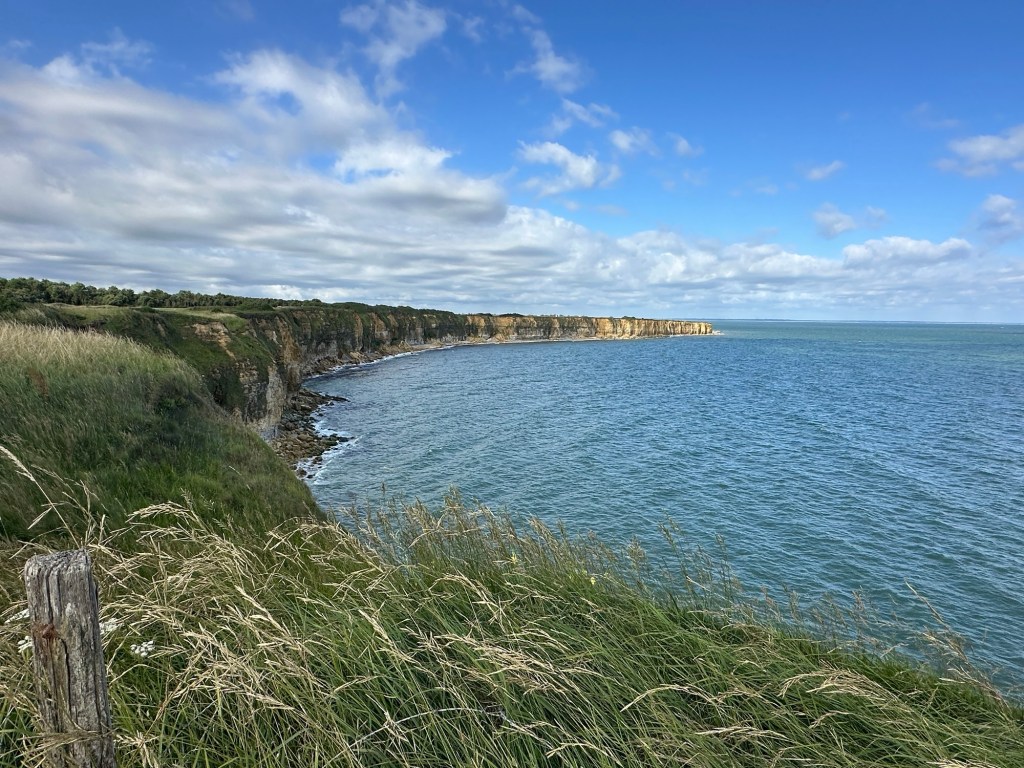
Not every journey is about relaxation. Some trips stay with you because they force you to pause, to reflect, and to see the world through a wider lens. When I visited Nagasaki, the house of Anne Frank in Amsterdam, and the beaches of Normandy, I didn’t just see history—I felt it. And standing in those places, I couldn’t help but notice warning signs that feel uncomfortably close to what’s happening in the U.S. today.
Nagasaki
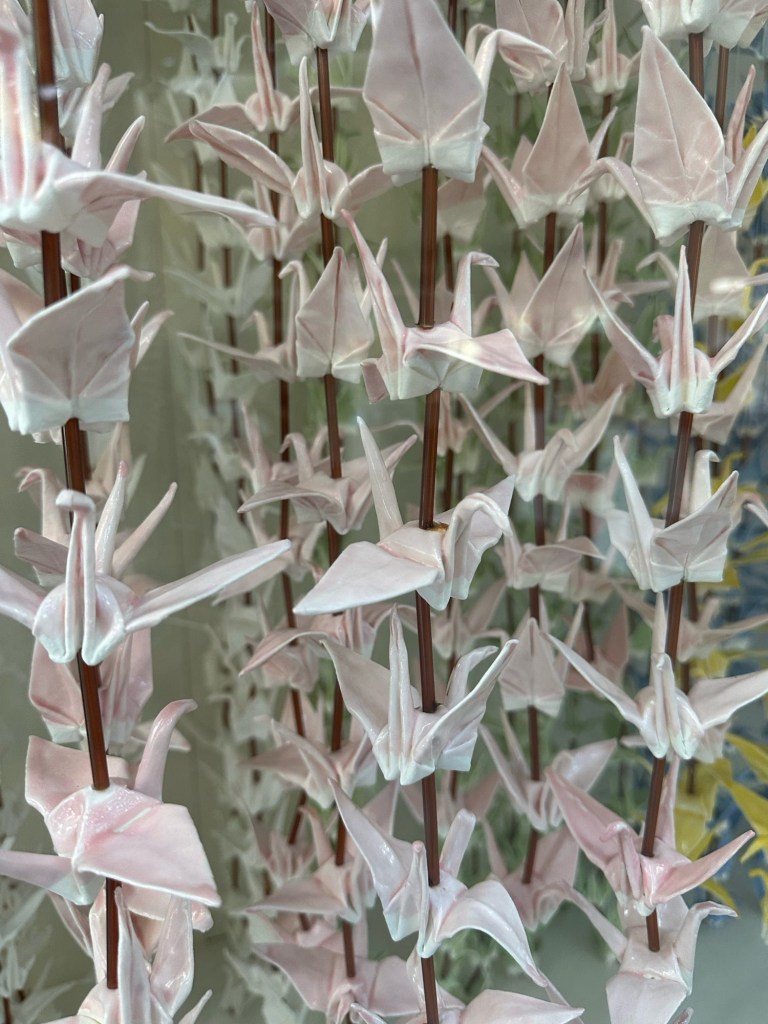
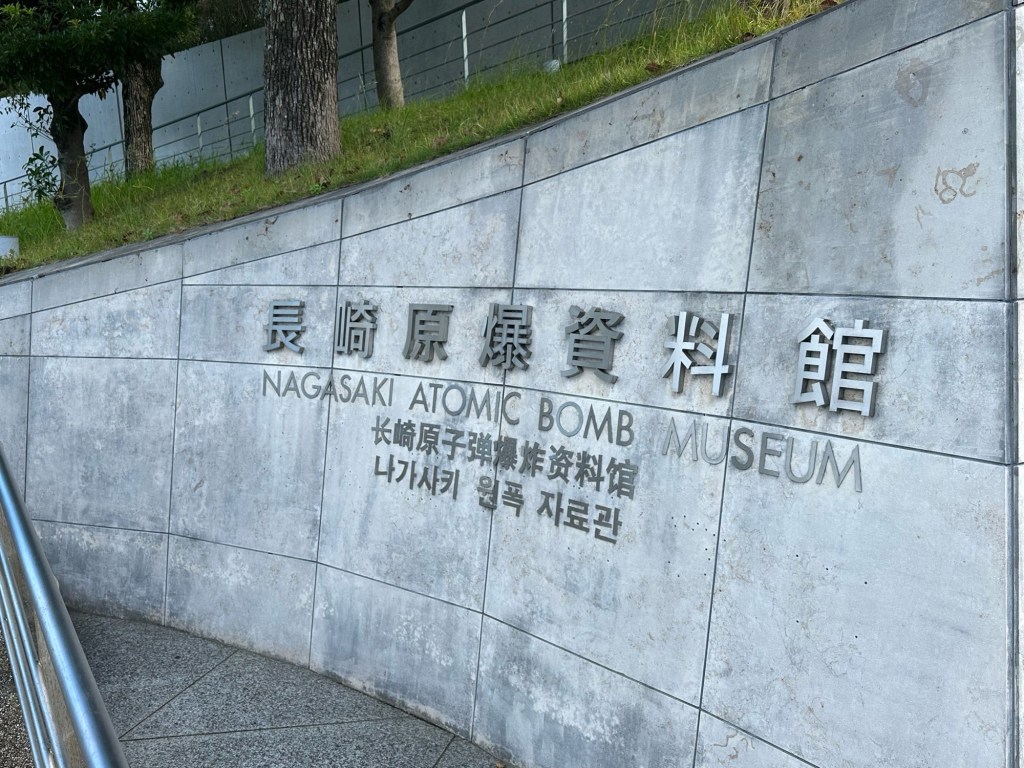
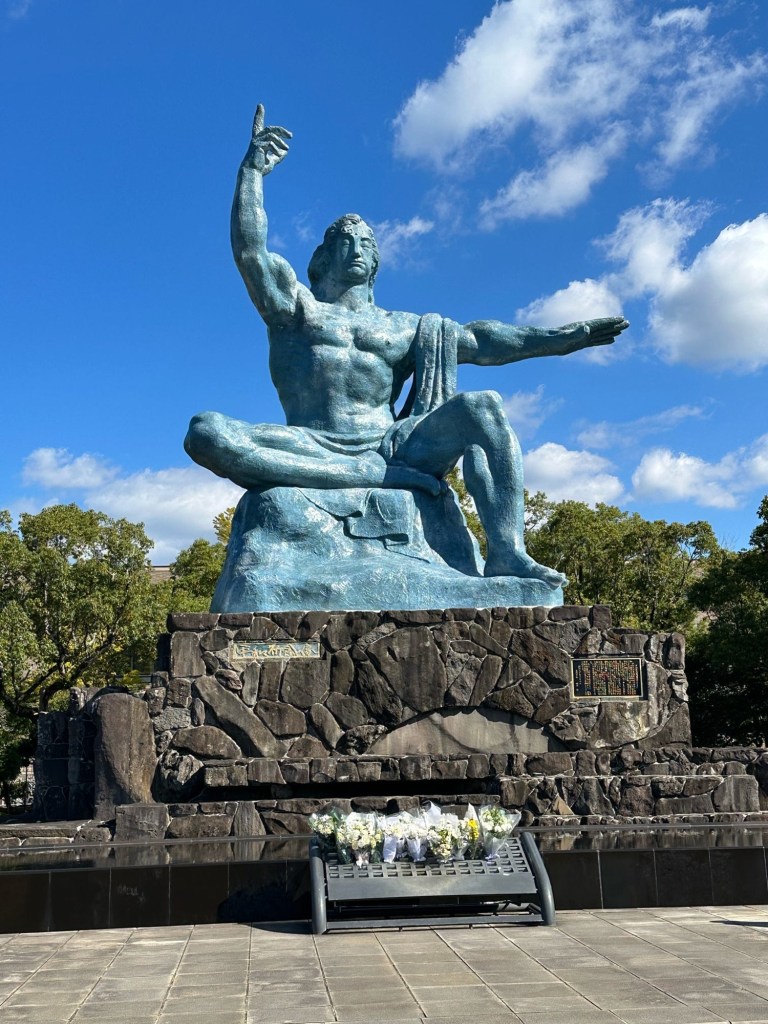
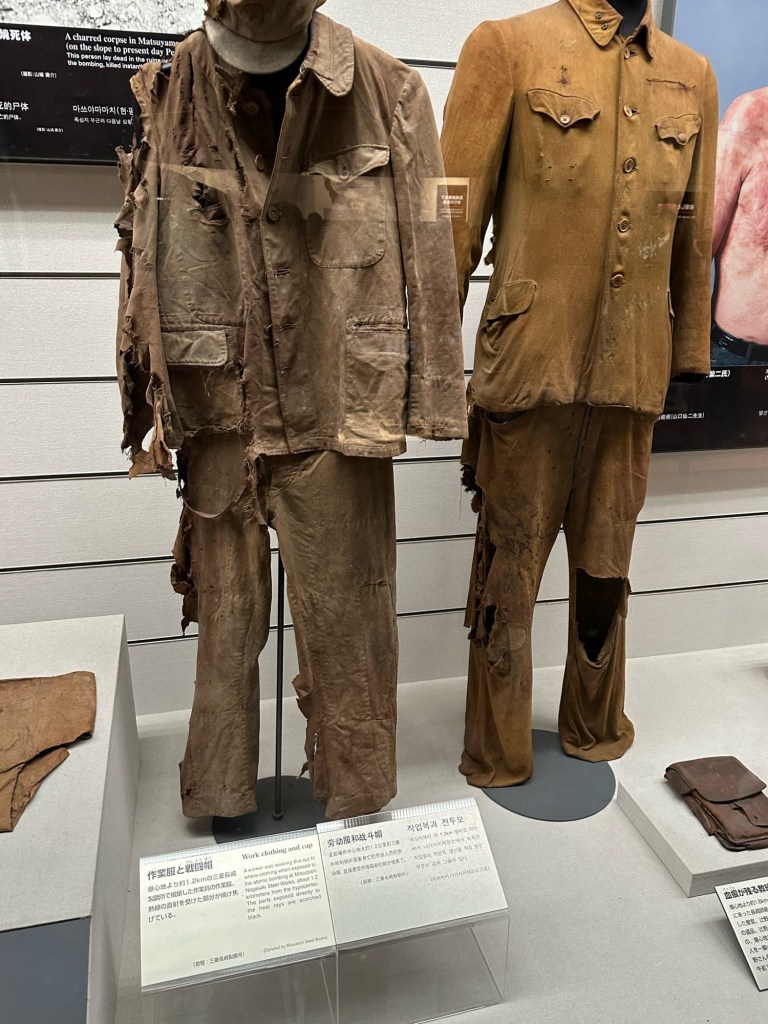
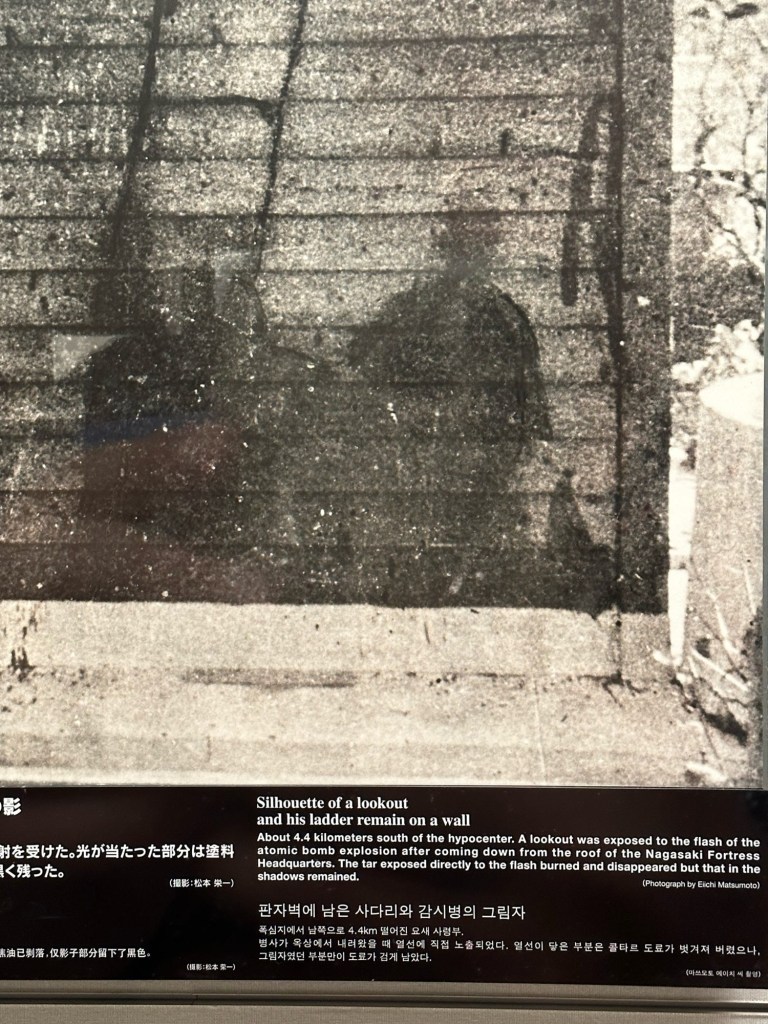
When I visited Nagasaki, I was struck by how beautiful and alive the city is. It’s filled with green hills, bustling neighborhoods, and a thriving port. But walking through the Atomic Bomb Museum stopped me in my tracks. I saw the melted roof tiles, the photos of children who never made it home, the stories of families who were simply erased in an instant. Outside, in the Peace Park, statues from around the world send messages of unity and hope. What amazed me was the resilience of the people—they rebuilt their lives without bitterness, choosing peace instead of revenge. Still, as I stood there, I couldn’t ignore the reminder of how fragile peace really is, and how easily decisions made by a few can destroy the lives of many. That fragility doesn’t feel so distant when I look at the divisions and heated rhetoric back home.

Anne Frank’s House
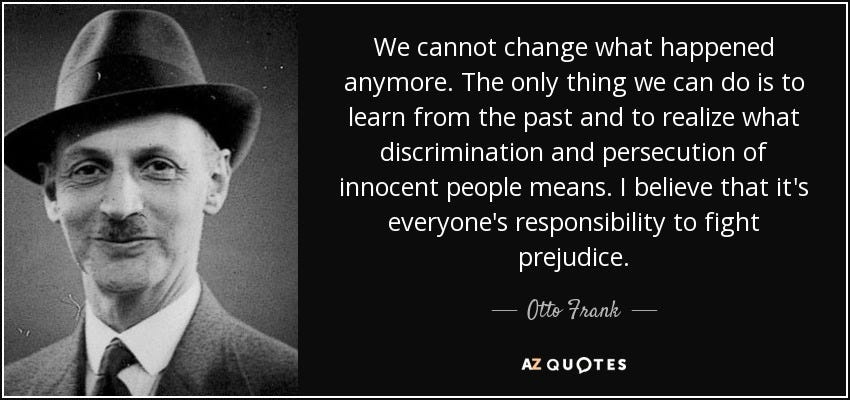
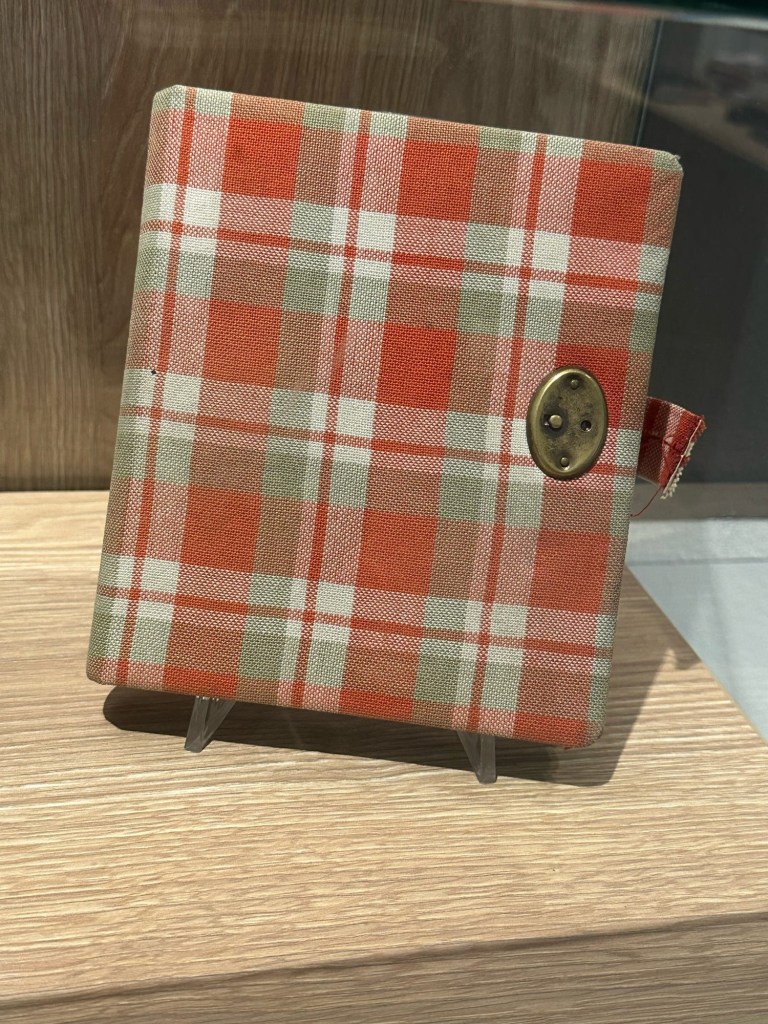
Amsterdam is colorful and lively, but when I stepped inside the Secret Annex where Anne Frank and her family hid, the city’s cheerfulness faded. The stairwell was steep and narrow, and the rooms were so small and dim. The photos Anne pinned to her walls are still there, a teenager’s attempt to brighten her hiding place. I remember standing in that cramped space and feeling the weight of silence—how careful everyone had to be, how dangerous it was just to exist. I thought about how Anne’s words survived, but so many voices like hers never did. The warning here felt sharper: Anne’s story isn’t just about the past—it’s about how easily hate and fear can be normalized. It starts with labeling, with division, with treating neighbors as “other.” Standing in that annex, I couldn’t help but think of how quickly those same seeds are being planted in America right now.

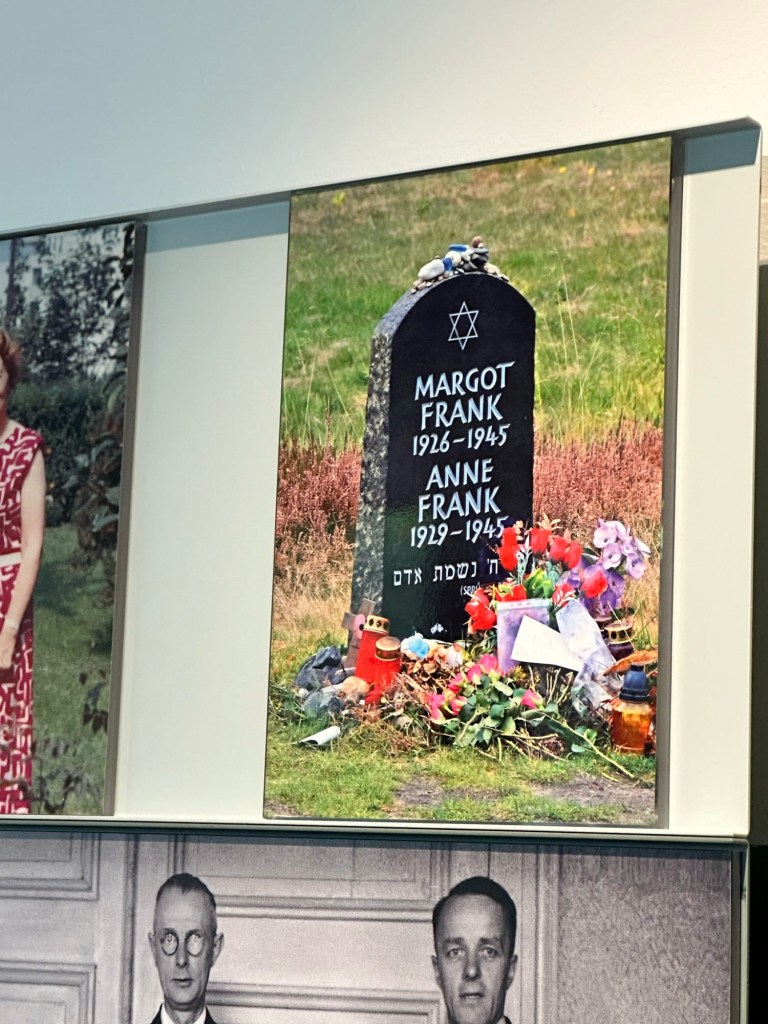
The Beaches of Normandy
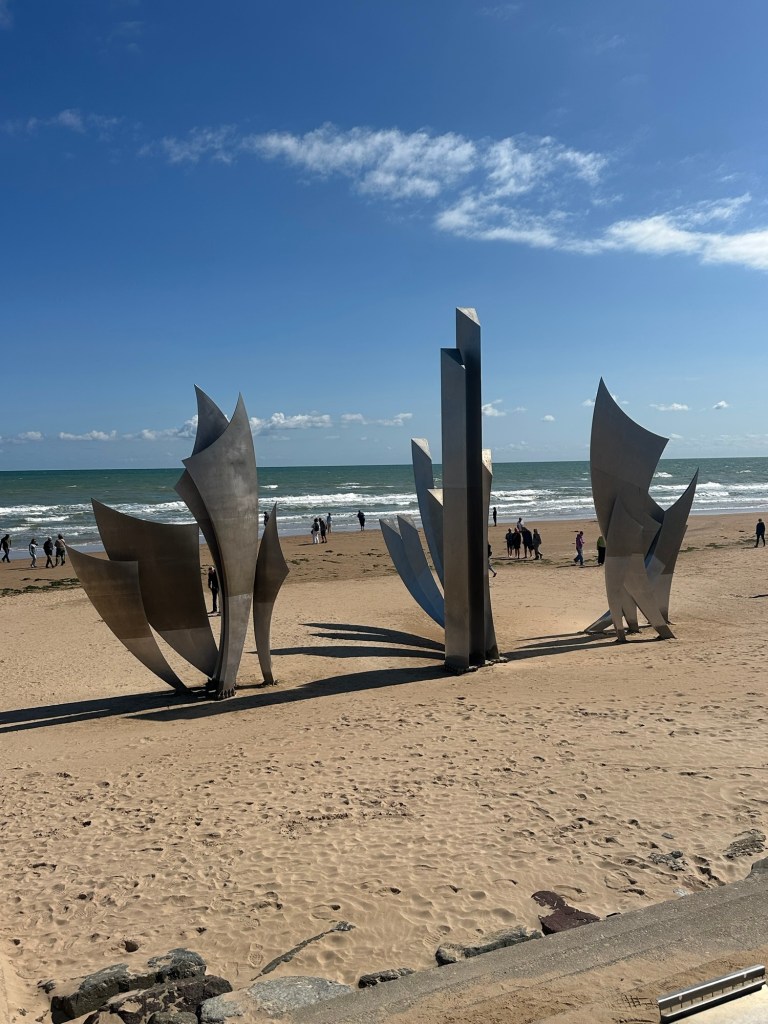
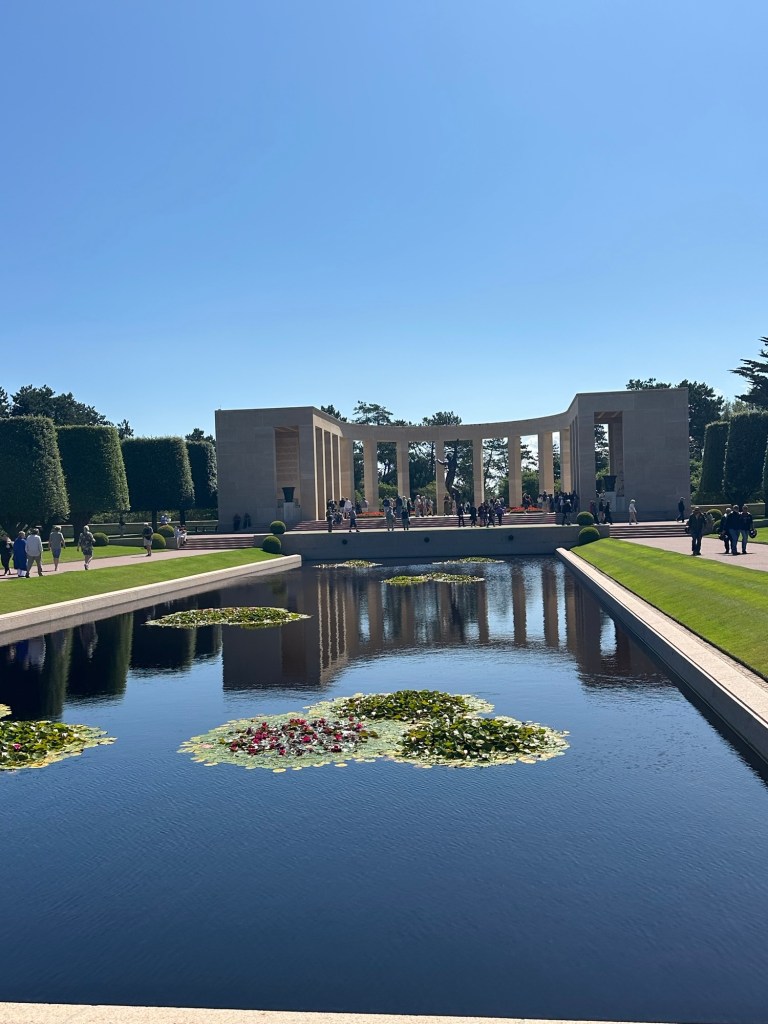
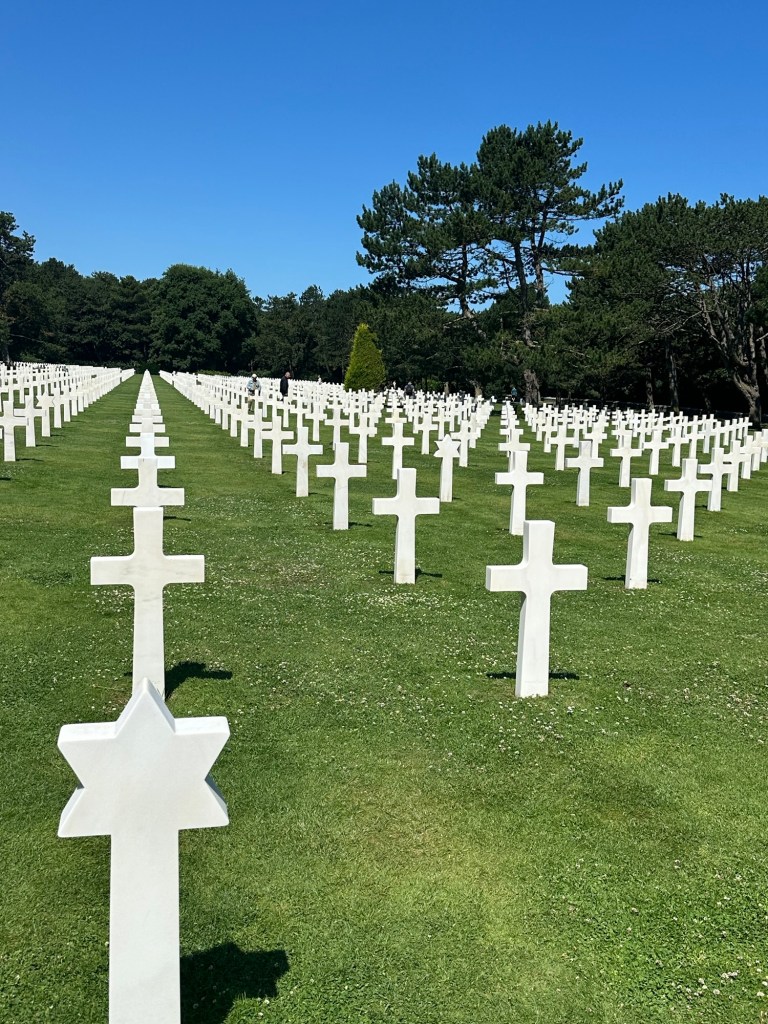
Normandy was the most surprising for me. The beaches are breathtaking, wide and golden, with cliffs rising against the sea. Children play where, on June 6, 1944, thousands of young men fought and died. When I visited the American Cemetery overlooking Omaha Beach, I was overwhelmed by the endless rows of white crosses, each one a name, a story, a life cut short. Many of those soldiers were not much older than Anne Frank herself. They crossed an ocean because fascism had to be stopped. And they believed it was worth the cost.
Walking those beaches, I felt both pride and sadness. Pride that freedom was defended, sadness that so many lives were lost to secure it. And yet, I also felt uneasy. Because looking around at the world today, I see echoes of the same ideologies they fought against creeping back into public life—right here at home.
Why Memory Matters
These places—Nagasaki, Anne Frank’s Annex, and Normandy—reminded me that history doesn’t stay in the past unless we make the effort to remember. Forgetting is dangerous. Silence is dangerous. And indifference is even worse. I saw firsthand how fragile freedom and peace can be, and how costly it becomes when we allow fear and hate to grow unchecked.
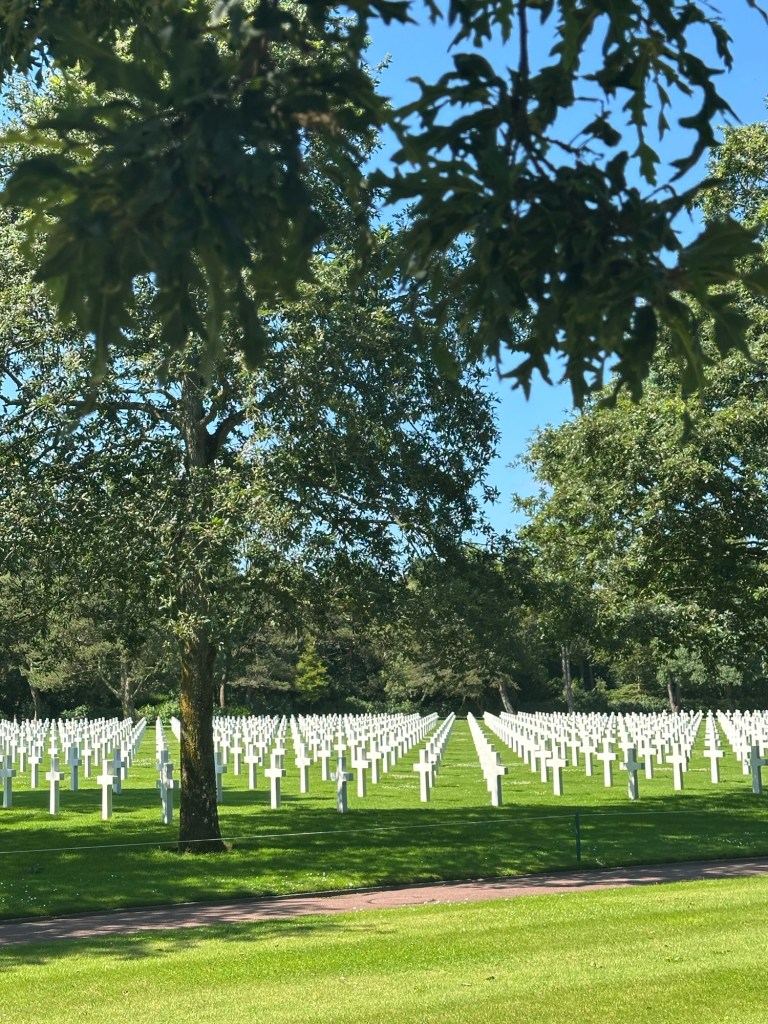
Travel has taught me many things, but these visits reminded me of perhaps the most important lesson: freedom isn’t permanent. It needs to be protected, nurtured, and spoken for. The people of Nagasaki rebuilt with hope, Anne Frank gave us her voice even when the world tried to silence her, and the soldiers of Normandy gave their lives to push back against tyranny.
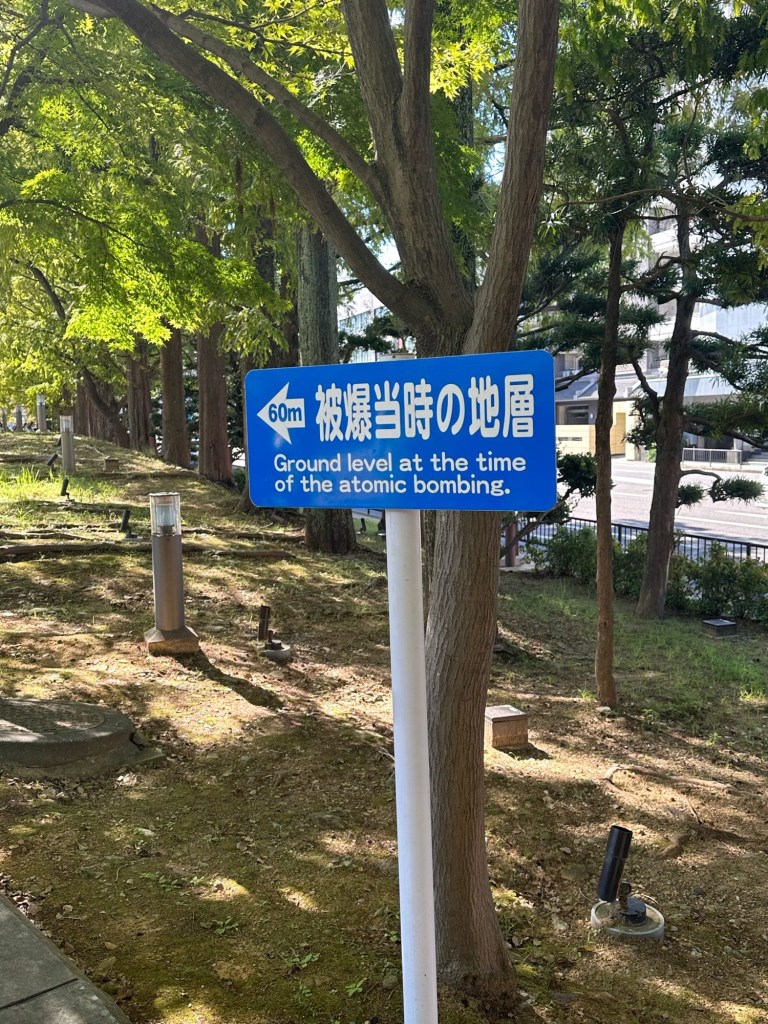
When I think about where we are today in the U.S.—the anger, the division, the way some leaders use fear as a weapon—I hear the echoes of those places. And it makes me grateful for the chance to stand in them, to remember, and to share what I’ve learned. Because if travel opens our eyes, then memory keeps them open.
Travel matters! More than just a vacation, it has the power to shape how we see the world, and how we see ourselves in it. Standing in Nagasaki, Anne Frank’s Annex, and on the beaches of Normandy gave me perspective I could never have gained from a book or a film alone. That’s why I believe travel matters—it connects us to history, to people, and to truths that are too important to forget.


 Cleared For Take-Off!